Temporary lights only have to last through one holiday season. After a few years of climbing ladders and sorting tangled strands, many homeowners begin thinking about a permanent option.
Choosing to install lights that last through every season is a decision that requires a lot of planning. If you’re interested in permanent Christmas lights, you’ll need to decide between a DIY or professional installation approach. Here’s what you need to know about roof access, placement, weather exposure, and more before making a final choice.
Risks of DIY Installation
Roof Work Raises Safety Concerns
DIY permanent lighting sends homeowners into a difficult work area. A roof edge leaves little room to shift weight or recover balance. Even a sturdy ladder starts to feel unstable once the work moves toward a gutter or upper eave. Each reach becomes more difficult when both hands have to manage tools and lighting parts.
Permanent installation also takes more time than hanging temporary strands. The process involves measuring, fastening, connecting, and testing each section. As the hours pass, fatigue may hinder your footing and judgment.
The home’s style can also increase safety risks. Tall entries and steep pitches limit safe access, while dormers and uneven rooflines require awkward positioning. When a homeowner has to stretch across those areas, hanging up lights becomes an extremely difficult and hazardous task.
Electrical Planning Becomes Complex
Having a couple of outlets and extension cords isn’t enough for permanent Christmas light installation. The system has to draw power safely and operate through changing outdoor conditions. Every connection has to account for moisture reaching the roof edges during storms and heat accumulating near the fascia on long summer days.
DIY planning begins with finding an accessible outlet. That choice might power the lights, but it may not support a clean layout. Not only does a visible cord pull attention away from the display, but a poorly protected connection will also introduce problems after months of exposure. A haphazard electrical plan results in confusing controls and unreliable sections.
Poor Placement Affects the Finished Display
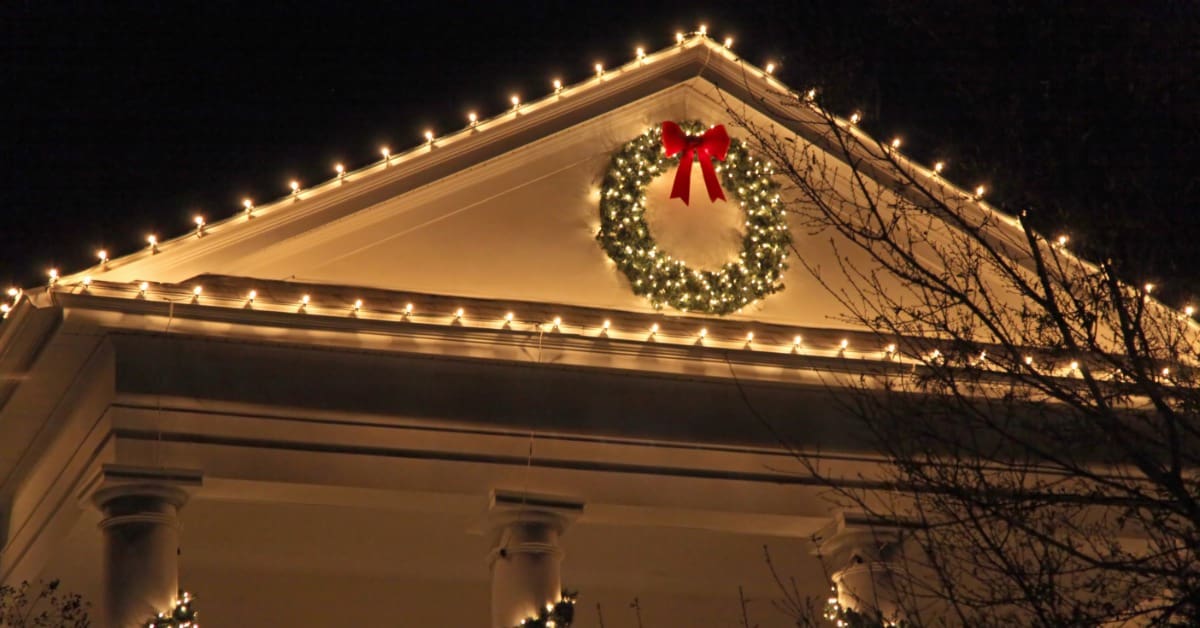
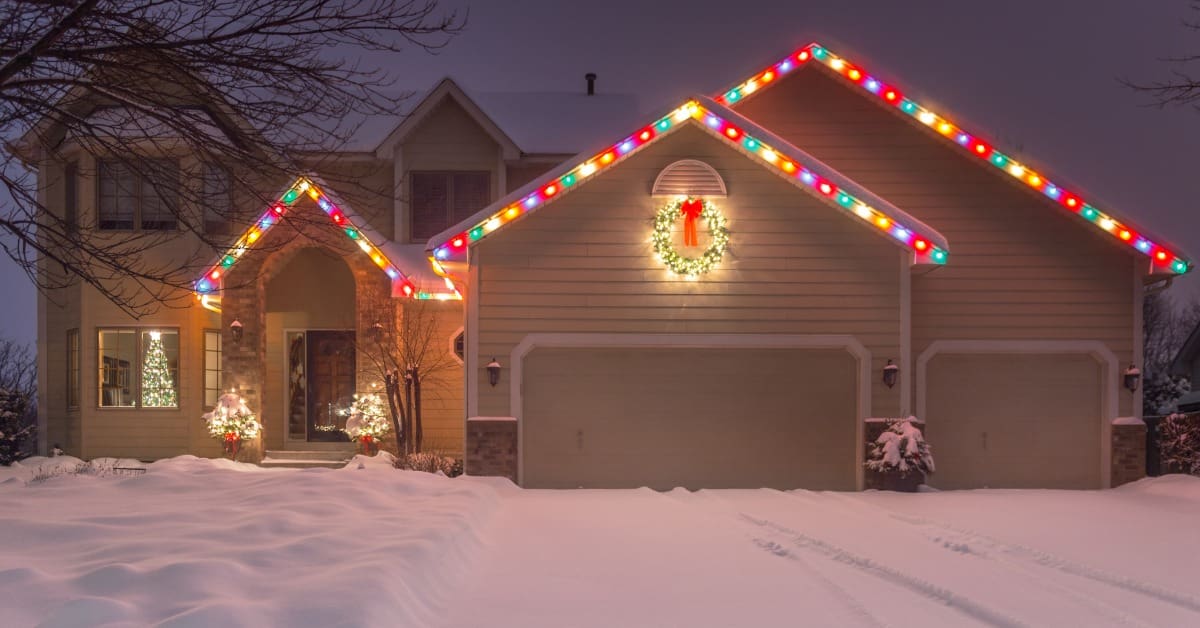
A polished permanent display depends on consistent placement. Small spacing differences become obvious after dark. One uneven section can disrupt the roofline and make the display feel improvised. Careful measurement matters because each light contributes to the full outline.
Daytime appearance deserves the same attention. Permanent lights remain on the home after the holidays end. Hardware that seems minor during installation can stand out against trim in bright daylight. A neat system should blend with the exterior instead of looking like seasonal décor left behind.
Architecture should guide every placement decision. Roof peaks, porch edges, and fascia lines all influence how the lights read from the street. A layout that ignores those details can flatten the home or make certain areas seem out of balance. The best displays follow the structure rather than fighting it.
Weather Exposure Shortens Longevity
Outdoor lighting faces constant pressure from the weather. Rain enters small gaps around exposed parts. Wind tugs at loose sections along the roofline. Sun and heat weaken low-quality materials over time.
A system that lights up the yard in December still has to endure every weather condition the spring, summer, and fall encompass. DIY installations can struggle when materials fail to fit the environment. A clip or adhesive can hold up during the first season, but months of outdoor exposure lead to loosening or shifting.
Longevity depends on both materials and installation technique. Fastening points have to secure the system without harming the exterior. Connections have to remain protected through changing conditions. That’s why a permanent display works best when the installation includes weatherproof materials and a detailed installation plan designed for long-term exposure.
Benefits of Professional Installation
Design Planning Guides the Display
Professional installation begins with a plan for the home itself. The installer studies the roofline and identifies the areas with the strongest visual value. That approach keeps the display organized from the start. Instead of following a generic pattern, the lighting supports the architecture.
A design plan also considers viewing angles. Guests may notice the entry from the walkway. Neighbors may see the roofline from the street. Those perspectives influence where the lights should stand out and where they should remain subtle.
Good design also avoids visual overload. Some sections deserve emphasis while other areas work best as quiet support. A professional plan creates balance across the entire display.
The Lights Are Subtle and Sleek Year-Round
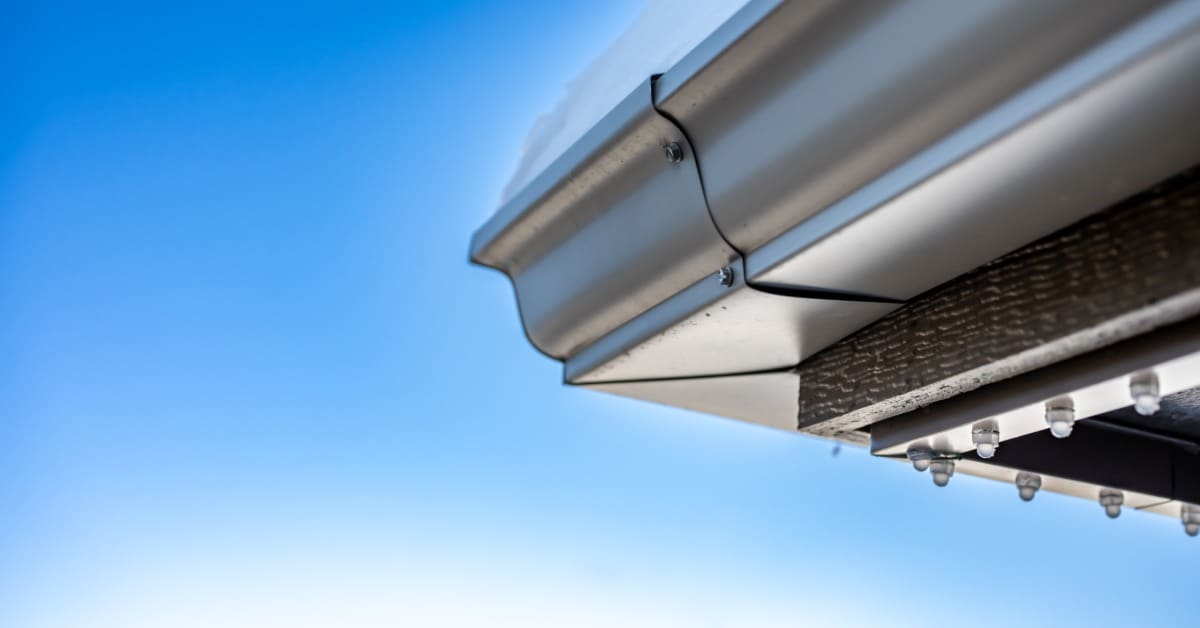
Permanent lights should look clean even outside the holiday season. The system stays in place during spring afternoons and summer gatherings. Because of that visibility, placement has to respect trim lines and exterior finishes. A sleek installation prevents the home from looking like an eyesore outside of the holiday season.
Professional installers think about the daytime view while planning the nighttime effect. Lights should create a crisp outline after dark. During daylight hours, the system should recede into the roofline. That balance takes careful alignment and attention to the home’s materials.
Electrical Details Receive Careful Review
Professional installers evaluate electrical requirements before mounting any components. They assess available circuits, load capacity, and voltage drop across longer runs to ensure the system performs consistently. The goal is to implement a stable and convenient system.
Weather exposure plays a critical role in those electrical decisions. Outdoor connections must withstand moisture intrusion, thermal expansion, and prolonged UV exposure. Roofline installations often encounter wind-driven rain and fluctuating temperatures that stress materials over time. A professional approach accounts for these conditions by positioning connections in protected areas and selecting components rated for continuous outdoor use. DIY installations often overlook these factors, which can lead to premature wear or failure.
The System Supports Seasonal Flexibility
Permanent Christmas lighting systems are configurable to support display modes beyond a single holiday setup. Many homeowners still prefer a consistent warm white output during December to maintain a traditional look. A properly designed system can also accommodate programmable RGB or RGBW nodes that allow for color changes tied to specific events or seasons. This flexibility only works well when the underlying layout maintains consistent spacing and alignment across the roofline.
Professional planning ensures that these capabilities remain structured rather than chaotic. Even spacing and consistent node orientation allow color transitions to appear deliberate instead of uneven. Balanced placement across architectural features prevents visual gaps or clustering when different color patterns are applied. With a well-executed design, the system adapts to different occasions with a cohesive, polished appearance.
Which Option Fits Your Home?
DIY work can appeal to homeowners who enjoy hands-on projects and have a simple roofline. Permanent lighting changes the stakes because the system must handle height, power, weather, and year-round appearance. Those demands make the project very different from hanging temporary strands for a few weeks.
A professional route suits homeowners who want permanent Christmas light installation integrated into the home for a sleek appearance. Palmetto Outdoor Lighting works with Charlotte homeowners on custom holiday displays with LED lights and weather-aware installation. For Charlotte Christmas light installation that’s durable and complements the home’s aesthetic, contact Palmetto Outdoor Lighting today.