Homeowners want to illuminate their home with outdoor lights. However, living in coastal areas brings an extra concern. Salt settles onto surfaces after storms and on humid nights. Moisture then seeps into the object’s seams and small openings around the lens.
Coastal homes need lighting chosen with those conditions in mind from the beginning. A fixture’s shape and brightness still affect the design, but the internal construction decides how well it performs through salt exposure. Homeowners should look beyond the finish and consider the seals, coatings, glass, and metal body before choosing lights.
Strong, salt-resistant outdoor lighting is essential for coastal homes. Find out which features make up these durable fixtures.
Fully Potted Drivers
Fully potted drivers protect the electrical core of a coastal light. Potting surrounds the driver circuit with a protective compound. That barrier limits moisture contact and moves heat away from sensitive parts.
Coastal homes place extra pressure on drivers because humidity can enter tiny gaps. Once moisture reaches the circuit, the fixture may flicker or fail early. Potting supports heat dissipation, so the driver runs in a stable environment through warm coastal nights.
This feature matters the most in sealed LED fixtures. The driver sits inside a tight housing with limited airflow. With this added protection, the circuit remains intact.
E-Coat Paint
Salt air exposes flaws in weak paint systems. A small chip or thin spot can let moisture reach the metal underneath.
E-coat paint creates a highly adhesive protective layer over metal. The electrodeposition process pulls coating material onto the fixture surface in an even way. This process reaches edges and recessed areas that spray finishes may miss.
Fixtures with brackets and textured surfaces benefit from this coating. Salt collects in corners before it spreads across broad surfaces. A bonded coating gives those vulnerable areas ample protection from corrosion.
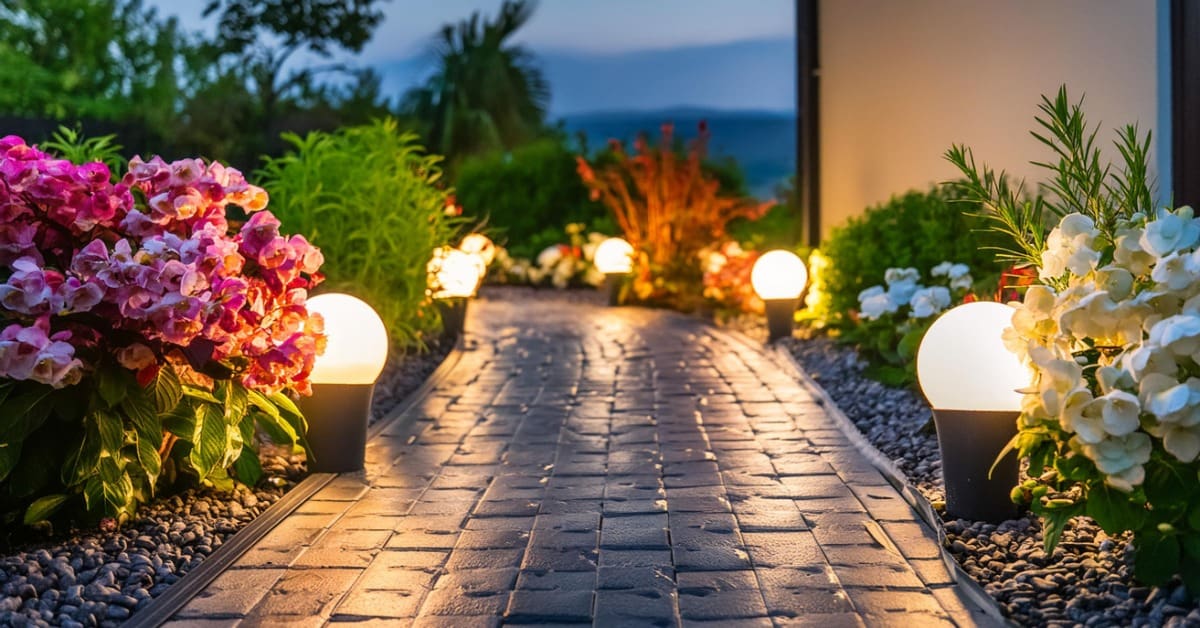
Borosilicate Glass
Borosilicate glass handles temperature changes better than standard glass. Outdoor fixtures heat up during operation, then cool after storms or evening temperature shifts. Coastal homes notice those changes quickly because wind and moisture move across exposed fixtures.
A lens failure turns a strong housing into a weak fixture. Cracked or stressed glass gives water a route into the body. Borosilicate glass lowers that risk because it can withstand high temperature differentials.
Clear lens quality also protects the final lighting effect. Durable glass shields the LED while preserving beam control. The result is crisp illumination across steps or walkways with less risk from fragile lens material.
High-Temperature O-Rings
High-temperature O-rings seal the spaces where water wants to enter. These specialized silicone rings sit around lenses and access points. Their job is simple, yet the seal controls whether moisture reaches the fixture interior.
Coastal heat can weaken poor rubber seals. Sun exposure and fixture warmth may cause low-quality rings to crack or flatten. Silicone O-rings maintain a tight seal through heat and salt exposure.
A good seal protects the fixture during wind-driven rain. It also protects the internal parts during humid nights. That small ring supports the entire system by keeping water away from the driver and the LED board.
316 Stainless Steel
316 stainless steel suits coastal homes with modern architecture or exposed hardscapes. Salt air contains chlorides. Since this marine-grade alloy includes molybdenum, the metal effectively resists chloride corrosion.
This material works especially well on fixtures placed near railings, stairs, and exposed walls. Those areas face frequent contact with damp air and wind-driven salt. These locations receive salt residue from several directions, so the fixture body needs a metal that resists chloride damage. 316 stainless steel gives those exposed lights a dependable structure before coatings, seals, or lenses add extra protection.
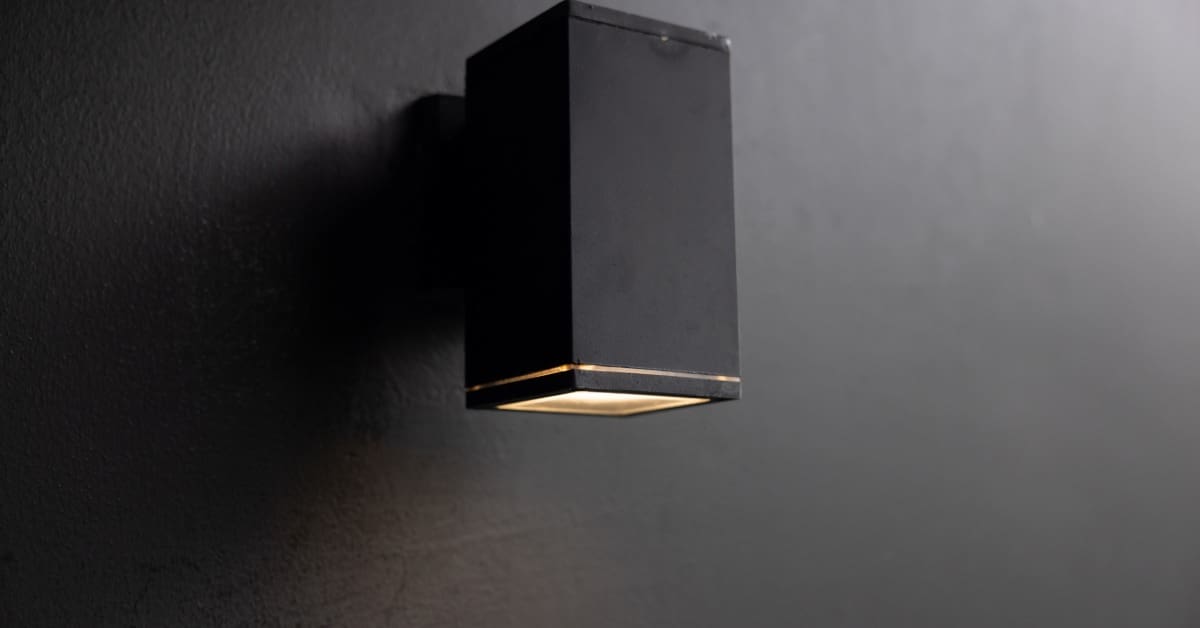
Aluminum Alloys
Aluminum alloys offer a corrosion-resistant fixture body when paired with a protective finish. The material weighs less than brass or stainless steel, which benefits slim architectural fixtures and modern outdoor designs.
An anodized layer adds protection by strengthening the surface. This layer helps the fixture resist corrosion from salt and moisture. Aluminum alloy fixtures work well when the design calls for a refined profile instead of a heavy housing.
Solid Brass Housings
Solid brass remains a dependable choice in salty outdoor environments because it won’t rust like untreated steel. The surface forms a natural patina, which many homeowners appreciate around stone and coastal plantings.
Brass works well for ground-mounted landscape lights. Soil moisture and irrigation spray can both reach low fixtures. A solid brass housing gives these lights a durable body with corrosion resistance throughout the metal.
Solid construction separates quality brass from plated fixtures. Plated metal may expose weaker material after scratches or wear. Brass keeps its strength even as the surface color changes outdoors.
Which Durable Light Fixtures Can You Install?
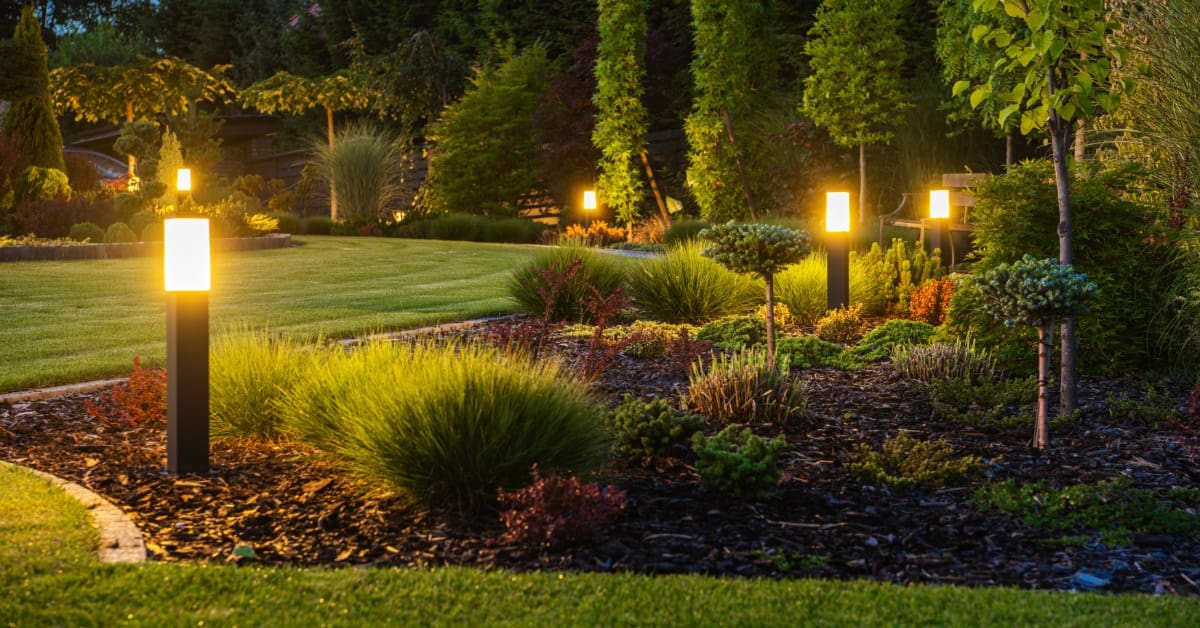
Several fixture types work well near coastal homes when they include the salt-resistant features. Path lights benefit from brass housings and sealed lenses. Step lights need tight gaskets because they sit near splash zones and walking surfaces.
Wall washers should use sealed bodies and durable glass. Spotlights need rugged housings because soil movement and irrigation can affect aiming over time. Additionally, deck lights benefit from strong seals because railings collect salt from every side.
Keep in mind that the fixture type should match the exposure level. Low landscape fixtures need rugged metals near wet soil. On the other hand, wall fixtures must have tight seals because rain can hit them from sharp angles. Considering the environment and placement will ensure that every light fixture stays in great condition for years.
Coastal Lighting Decisions
Salt-resistant outdoor lighting protects the beauty and comfort of a coastal home. The right features reduce corrosion risks and support steady performance through humidity, salt air, storms, and daily outdoor conditions. Homeowners gain a lighting design that suits the property at night while standing up to the conditions around it.
Palmetto Outdoor Lighting takes those concerns seriously through thoughtful fixture selection and careful placement. Our team studies the property, the salt exposure level, and the areas where moisture may cause problems.
For home outdoor lighting services in Charlotte and surrounding areas, contact POL today! We’re always ready to install durable lights and help homeowners enhance their property’s outdoor beauty.