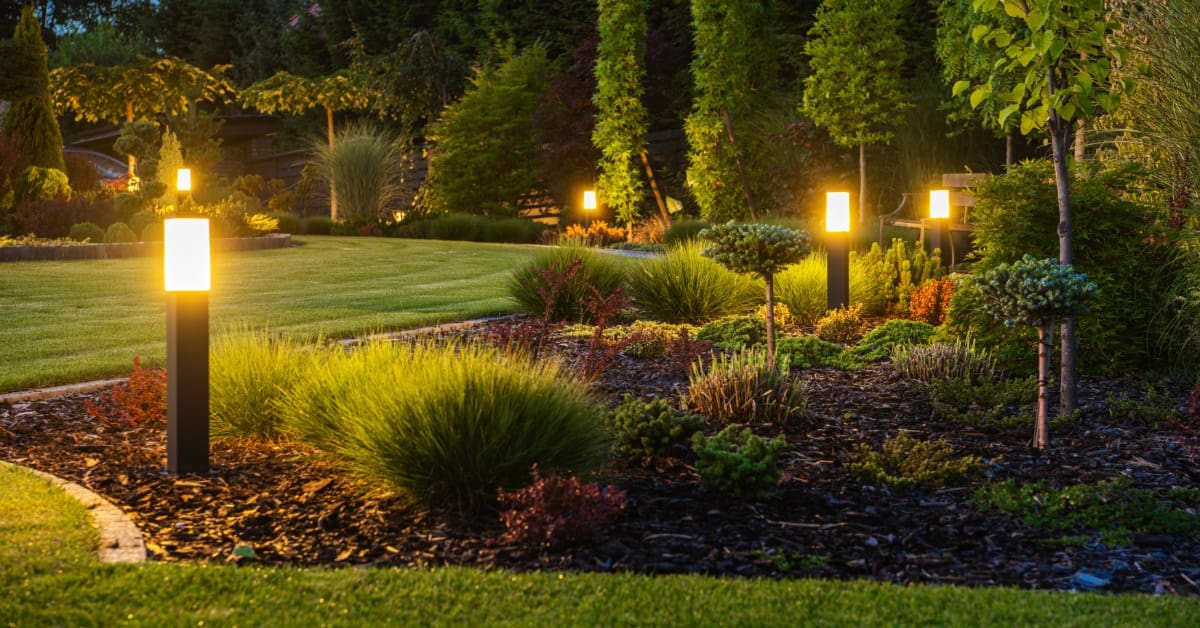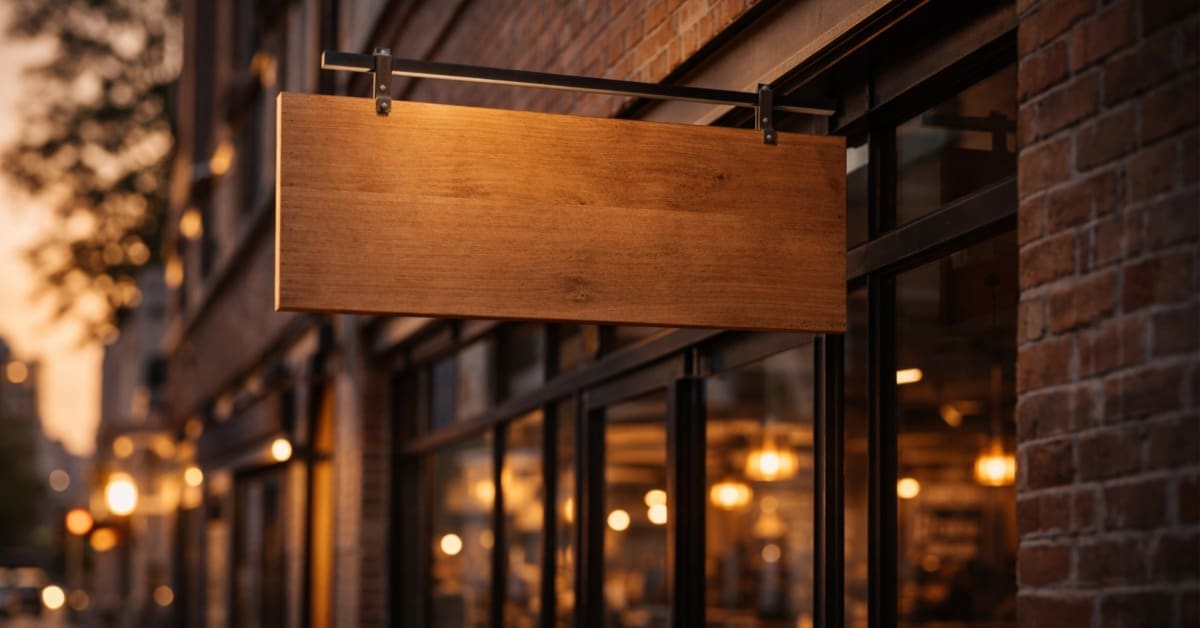
A sign fades into the background after sunset. Drivers pass by without registering the name. Visitors slow down near the entrance, searching for the right building in the dark.
The sign may have a stunning design, but few people will see it at night. It’s helpful to spotlight your business sign using professional lighting.
Why Business Signs Fade at Night
Outdoor signs compete with headlights, streetlights, parking lot poles, nearby buildings, trees, and shadows from the property itself. When the surrounding illumination overpowers the sign or the sign receives uneven light, the logo loses its definition.
The goal is to provide visibility from the street, sidewalk, driveway, or parking lot. The best spotlight depends on the nearby light sources as well as the sign’s size and material.
Match Lighting to Sign Placement
Every sign has a viewing zone. A roadside monument sign serves people moving through traffic. A wall sign above an entrance serves visitors approaching from a parking area. A small directional sign serves pedestrians already on the property.
Lighting should match how people see the sign. A high-mounted wall sign may require downlighting from above. A low monument sign may respond well to uplighting from the base. A wide sign may require several fixtures with overlapping beams. The planning process should account for:
- Sign height and width
- Letter size
- Color contrast
- Mounting surface
- Distance from traffic or walkways
- Nearby landscaping
- Surrounding buildings and parking lights
- Fixture mounting options
This level of planning prevents harsh shadows, uneven coverage, and glare aimed toward drivers or guests.
Use Uplights for Monument Signs
Monument signs often sit near entrances, roadways, parking lots, or landscaped borders. Their job is simple: identify the business quickly. At night, uplights shape the signs for added depth and strong visibility from passing vehicles.
Uplights placed near the base send illumination upward. The technique works well for stone, brick, stucco, metal, and painted monument signs. It brings out texture while keeping the business name readable.
Fixture distance is important. A light placed extremely close may create a bright base with a dim upper section, while one positioned far away may lose its intensity before reaching the sign. The best placement spreads light across the face with balanced coverage.
Wide monument signs typically require more than one fixture. Spacing them apart evenly allows the beams to blend smoothly.

Choose Downlights for Wall Signs
Wall signs rely on the building as part of the overall presentation. A sign mounted on a storefront, office wall, warehouse, or commercial facade benefits from fixtures placed above the sign and aimed downward.
Downlighting creates a polished, orderly effect. It helps the name stand apart from the wall while giving the building exterior a professional appearance. This option works especially well when the sign sits flat against the surface.
Positioning the lights at a steep angle may cast heavy shadows from raised letters. On the other hand, a shallow angle may wash the wall without producing enough light.
Wash Wide Signs Evenly
Long signs require broad, consistent coverage. A narrow spotlight will brighten the center but leave the edges dim. For signs with long business names, extended logos, or supporting text, uneven light weakens the entire presentation.
Wall-wash fixtures or wide-beam floodlights spread illumination across a larger surface. These fixtures help letters, logos, taglines, and background materials appear unified. The sign reads as one complete feature rather than separate bright and dim zones.
Each beam should overlap softly with the next. A planned approach is the key to a smooth sign face from end to end.
Highlight Small Signs With Intentional Beams
People view small signs—such as entrance and directory signs—at a short distance. Installing harsh lights in these areas will blind individuals and detract from the sign itself.
Compact spotlights or low-profile fixtures work well for these locations. The fixture should place light directly on the sign face.
Small signs near landscaping require special attention. Shrubs, grasses, mulch beds, and seasonal plantings may block light if fixture placement ignores future growth. A thoughtful layout leaves enough room for plant material while preserving a clean view of the sign.
Control Glare and Shadows
Lights that force people to squint don’t benefit businesses. At the same time, extreme shadows could turn people away.
Glare occurs when the fixture sends light into someone’s eyes instead of onto the sign. Poor aiming may create this problem for drivers, pedestrians, employees, or nearby tenants.
Shielded fixtures, proper beam spread, and careful placement reduce glare. The light should land on the sign face, not spill across windows, traffic lanes, or neighboring properties. This control gives the property a refined nighttime appearance.
Shadows require the same level of attention. Raised letters, carved surfaces, stone edges, and textured walls all interact with light. A slight shadow creates depth while a heavy shadow covers a portion of the business name.
A professional technique establishes dimension without sacrificing readability. The sign gains presence with a legible message.
Select the Appropriate Color Temperature
Color temperature affects how the sign and building feel after dark. Warm white light often suits brick, stone, wood tones, traditional architecture, and landscaped monument signs. Neutral white light often works well for modern buildings, metal finishes, and high-contrast sign faces.
The sign material should guide the selection. Crisp colors become dull with extremely warm lights. Natural materials turn into harsh surfaces with cool shades. Balancing the color temperature will ensure the exterior finish looks incredible without drawing attention away from the sign.

Attract People to Your Business With Signage Spotlights
Businesses with dark signs are likely to fade into the background. When you have bright spotlights and professional lighting techniques, your business sign will shine.
A business sign should work during the day and after dark. With the right fixture type, beam angle, brightness level, and placement, professional lighting helps the sign read well from the places customers naturally approach. It gives the property a polished presence without overpowering the building or surrounding area.
Palmetto Outdoor Lighting helps businesses showcase outdoor signs with thoughtful lighting designed for visibility, comfort, and curb appeal. For expert commercial outdoor lighting installation, contact POL. Our team will visit your business, learn about your lighting goals, and begin the design process promptly.